
KCA University continues to enhance its global academic profile through active engagement in prestigious international capacity-building programmes. In February 2026, Prof. Dr. Lucy Waruguru Mburu, Dean of Research, Innovation and Outreach, participated in Part III of the DIES International Deans’ Course (IDC) Africa 2025/2026 held in Accra, Ghana.
The programme, jointly organised by the German Academic Exchange Service (DAAD), German Rectors’ Conference, Osnabrück University of Applied Sciences and the Centre for Higher Education, convened academic leaders from across Africa and Europe to strengthen leadership and management capacity in higher education institutions.
Culmination of a Transformative Leadership Journey
Building on earlier phases of the programme—Part I in Germany and Part II conducted online—Part III in Accra marked the culmination of the course, with a strong focus on implementation, impact, and reflection.
The week-long programme featured a dynamic blend of academic sessions, policy dialogue, and experiential learning opportunities:
A key highlight of the session was the final presentation of participants’ Project Action Plans (PAPs)—institutional initiatives designed and implemented within their respective universities. Prof. Waruguru presented progress on KCA University’s project, demonstrating the institution’s commitment to advancing research, innovation, and outreach through structured, impact-driven strategies.
The presentations were delivered in expert-led parallel sessions, fostering peer learning, cross-institutional exchange, and constructive feedback among participants from diverse academic environments.
Advancing KCA University’s Strategic Vision
Participation in IDC Part III provided a valuable platform for KCA University to:
The experience further reinforced the University’s commitment to translating research and innovation into tangible societal impact, in line with its strategic vision.
As KCA University continues to expand its research and innovation footprint, participation in global leadership programmes such as the IDC remains a key pillar in building a forward-looking, globally competitive institution.
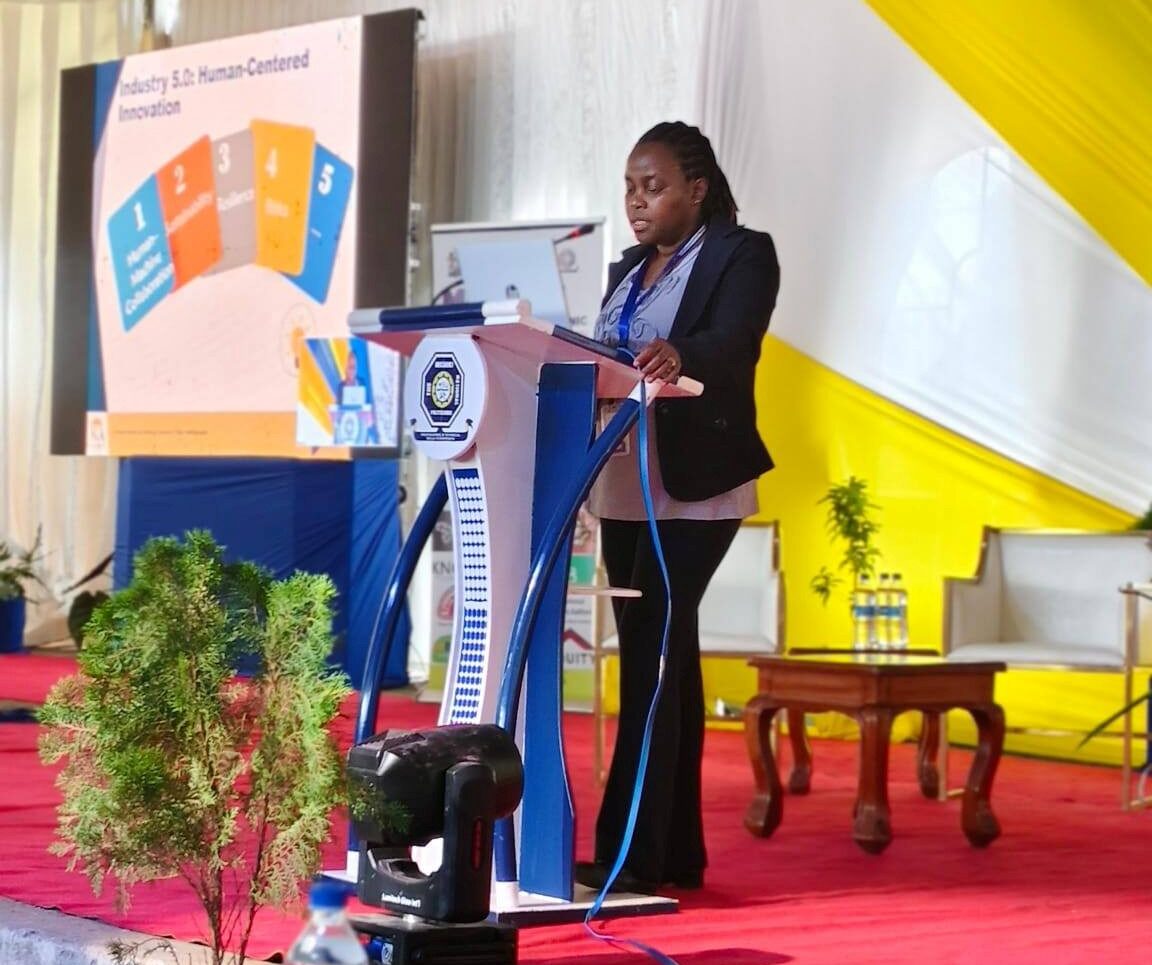
KCA University continues to position itself at the forefront of research, innovation, and thought leadership across the region. This was demonstrated through the participation of Prof. Dr. Lucy Waruguru Mburu, Dean of Research, Innovation and Outreach, as a keynote speaker at the inaugural International Research Conference (ICRIST-1) hosted by Michuki National Polytechnic.
Held on19th–20th February 2026, the conference brought together a diverse community of scholars, industry leaders, policymakers, and innovators. Under the theme “Harnessing Research, Innovation and Technology for Sustainable Economic Development and Youth Empowerment,” the event created a vibrant platform for dialogue on the future of education, skills, and economic transformation.
A Timely Conversation on the Future of Work
Prof. Waruguru delivered a thought-provoking keynote titled “Industry 4.0 & 5.0 and the Future of Work Among TVET Youths.” Her address explored how rapidly evolving technologies—ranging from artificial intelligence and automation to data analytics and human-centred innovation—are transforming the global labour landscape.
At the heart of her message was a clear call to action: education systems, particularly within the Technical and Vocational Education and Training (TVET) sector, must evolve just as rapidly as the industries they serve. She emphasised that preparing youth for the future of work requires more than technical proficiency. It demands a balanced approach that integrates digital skills with critical human capabilities such as creativity, adaptability, and problem-solving.
From Industry 4.0 to 5.0: What It Means for Youth
A central theme of the keynote was the transition from Industry 4.0 to Industry 5.0. While Industry 4.0 has focused on automation and digitalisation, Industry 5.0 introduces a more human-centred, sustainable approach to innovation.
This shift presents both opportunities and challenges for young people entering the workforce. Prof. Waruguru highlighted several key priorities:
The conference underscored the growing importance of collaboration within the TVET ecosystem, particularly in fostering applied research, innovation, and skills development that directly respond to industry needs.
For KCA University, the engagement opened up promising avenues for partnership with TVET institutions in areas such as curriculum alignment, youth empowerment, and entrepreneurial development.
As conversations around the future of work continue to evolve, platforms such as ICRIST-1 play a critical role in shaping the direction of education and workforce development. KCA University remains committed to actively contributing to these conversations—ensuring that research, innovation, and education translate into meaningful societal impact.
Through engagements like this, the University is not only strengthening its academic footprint but also helping to shape a generation of graduates equipped to thrive in an increasingly complex and technology-driven world.

KCA University represented by Dr. Caroline Ntara and and Dr. Charles Githira Wanyoike continues to advance impactful, policy-relevant research through strategic partnerships and multidisciplinary collaboration. A recent initiative, funded by the Kenya Bureau of Standards, focuses on strengthening standardization systems and improving market access for informal traders in Kenya.
The project, supported through a $10,000 grant, marks the baseline study phase of a broader initiative aimed at developing a practical standardization system and market access toolkit tailored to the needs of informal-sector traders.
Building Evidence for Smarter Regulation
At its core, the baseline study seeks to generate robust, evidence-based insights into key challenges affecting informal markets. These include:
By systematically examining these issues, the study lays the groundwork for designing targeted interventions that are both practical and responsive to the realities of informal trade in Kenya.
A Powerful Multidisciplinary Partnership
The project brings together a strong consortium of institutions, including Kenya Bureau of Standards, KCA University, and the University of Cambridge. This collaboration combines expertise in research, policy, and standards development, ensuring a comprehensive and well-rounded approach.
Through this partnership, the study not only benefits from academic rigor but also aligns closely with national regulatory priorities and global best practices. Beyond its immediate research outputs, the baseline study plays a critical role in establishing an empirical foundation for future phases of the project. These will include expanded field research and the pursuit of additional funding to scale up interventions.
Importantly, the initiative aligns with KEBS’ core mandate in standardization, metrology, and conformity assessment—ensuring that the findings are directly relevant to strengthening Kenya’s quality infrastructure.
Towards Inclusive and Competitive Markets
The anticipated impact of this work is far-reaching. By informing the development of a tailored standardization and market access toolkit, the project aims to:
Driving Research that Matters
This initiative reflects KCA University’s commitment to research that goes beyond academia—delivering practical solutions to real-world challenges. By addressing systemic barriers within informal trade, the project contributes to building a more inclusive, competitive, and standards-driven economy.
As the project progresses, it is expected to generate valuable insights that will shape policy, strengthen institutions, and empower traders—ensuring that no segment of the economy is left behind.
KCA University, with support from the Mastercard Foundation through the HEVA Fund, is implementing the Drama Mtaani Training Initiative—a short course in theatre production designed to build capacity among semi-professional thespians across Kenya. The initiative under the lead of Dean Benson Ngobia will target the counties of Nakuru, Kisumu and Kakamega. The programme aims to equip emerging theatre practitioners with essential skills to create impactful and professional productions.

Building Skills, Shaping Stories
Drama Mtaani is designed as a hands-on, practical training experience. Participants will be taken through key components of theatre production, with structured modules covering the foundational elements of performance, storytelling, and stagecraft. The programme will culminate in the creation and performance of short theatre pieces for local audiences—providing both practical exposure and community engagement.
A total of 300 participants—100 from each county—will benefit from the initiative, fostering a new generation of skilled creatives within Kenya’s performing arts ecosystem. Beyond skills development, the initiative seeks to strengthen the broader creative economy by:
Drama Mtaani represents a strategic effort to unlock the potential of grassroots talent while strengthening Kenya’s cultural and creative industries. By bringing theatre closer to communities, the initiative not only nurtures artistic excellence but also fosters social engagement and economic opportunity.
The Directorate of Innovation, Incubation and Enterprise Development at KCA University, through Dr. Abraham Rotich and Alexander Njuguna, has successfully secured a grant under the Going Global Partnerships – Innovation for African Universities: Enterprise and Innovation Challenge, funded by the British Council. The award, valued at GBP 20,000, marks a significant milestone in the University’s efforts to strengthen innovation and entrepreneurship among young people.
The grant will support the development of the Youth Entrepreneurship Resource Hub, a digital platform designed to nurture and empower young innovators. The hub will provide access to:
Through this integrated approach, the platform will equip youth with the skills and networks needed to develop, launch, and scale sustainable ventures. Beyond individual capacity building, the initiative is structured to enhance collaboration between academia and industry. By fostering stronger university-industry linkages, the project will create pathways for innovation, commercialization, and real-world problem-solving.
Driving Sustainable Development
The Youth Entrepreneurship Resource Hub aligns with key global development priorities, contributing to: Quality Education through accessible and practical learning opportunities; Decent Work and Economic Growth by supporting job creation and entrepreneurship and Industry, Innovation and Infrastructure by strengthening innovation ecosystems
KCA University’s commitment to fostering a culture of innovation, entrepreneurship, and inclusive economic growth. By leveraging digital platforms and strategic partnerships, the University continues to position itself as a key driver of youth empowerment and enterprise development in Kenya and beyond.
The KCA University School Holiday Programme is a community-focused initiative designed to engage school children and young people from the communities surrounding the University. The programme promotes holistic development by nurturing life skills, inclusivity, creativity, friendship, respect, teamwork, excellence, tolerance, technology awareness, and a positive mindset through structured, play-based learning experiences.
Activities include organised sports, interactive games, and movement-based learning, all aimed at creating a safe, engaging, and enriching environment where children can learn, grow, and thrive during their school holiday periods.
Growing Reach and Impact
Since its inception three years ago—starting with only seven children—the programme has experienced remarkable growth. It now reaches approximately 500 participants, reflecting its increasing relevance, strong community demand, and positive impact on youth development.
This steady expansion demonstrates KCA University’s commitment to fostering meaningful community engagement and contributing to the development of well-rounded, confident, and socially responsible young people.
Beyond recreation and learning, the programme plays a key role in strengthening community cohesion and supporting the development of future leaders. By creating opportunities for positive interaction, mentorship, and structured engagement, the initiative helps to shape responsible and empowered youth.
KCA University welcomes collaboration with stakeholders who share its vision of transforming communities through inclusive and sustainable youth development initiatives. Through strategic partnerships, the University seeks to scale the programme’s impact and extend its benefits to even more children and families.
VC & CEO RESEARCH AND INNOVATION GRANT 2026 COHORT 1 RECIPIENTS
Project Title: VeriMT
Recipients: Faustin Mwinzi (PI)
Bonface Demesi
Gideon Yegon
Description: VeriMT: a blockchain-based meat traceability and market integration model designed to secure Kenya’s meat value chain by anchoring data integrity at licensed slaughterhouses.
Project Title: Digital and Forensic Accounting Approaches for Poverty Eradication and Inclusive Entrepreneurship in Emuhaya Sub-County, Vihiga County
Recipients: Dr. Rhispah Khamonyi (PI)
Simanka Mataiyian
Natasha Maina
Description: This project addresses rising unemployment, financial mismanagement, and limited access to affordable financing in Emuhaya Sub-County by promoting inclusive and accountable entrepreneurship. It introduces the Emubest Wallet, an innovative digital platform that integrates financial literacy, digital finance tools, and forensic accounting principles to enhance transparency, strengthen governance, and reduce fraud within community savings groups (chamas).
The initiative targets youth, women, and persons living with disabilities, equipping them with essential financial and digital skills to improve financial decision-making and support the development of sustainable enterprises. By strengthening accountability mechanisms and rebuilding trust in community-based financing systems, the project seeks to increase access to reliable and affordable financial services. Ultimately, the project contributes to poverty reduction and inclusive local economic development by fostering a culture of transparency, improving financial management practices, and enabling communities to effectively mobilize and grow their financial resources.
Project Title: Digital and Forensic Accounting Approaches for Poverty Eradication and Inclusive Entrepreneurship in Emuhaya Sub-County, Vihiga County
Recipients: Dr. Rhispah Khamonyi (PI)
Simanka Mataiyian
Natasha Maina
Description: This project addresses rising unemployment, financial mismanagement, and limited access to affordable financing in Emuhaya Sub-County by promoting inclusive and accountable entrepreneurship. It introduces the Emubest Wallet, an innovative digital platform that integrates financial literacy, digital finance tools, and forensic accounting principles to enhance transparency, strengthen governance, and reduce fraud within community savings groups (chamas).
The initiative targets youth, women, and persons living with disabilities, equipping them with essential financial and digital skills to improve financial decision-making and support the development of sustainable enterprises. By strengthening accountability mechanisms and rebuilding trust in community-based financing systems, the project seeks to increase access to reliable and affordable financial services.Ultimately, the project contributes to poverty reduction and inclusive local economic development by fostering a culture of transparency, improving financial management practices, and enabling communities to effectively mobilize and grow their financial resources.
Project Title: Context Aware Academic Integrity: Network Validated Class Attendance and Digital Exam Card Verification
Recipients: Dr. Simon Mwendia (PI)
Isaac Karanu
Description: The project seeks to address academic integrity challenges at KCA University by eliminating proxy attendance and exam impersonation through a secure, technology-driven solution. It replaces manual attendance systems with a network-validated digital platform that accurately tracks student participation and enforces the 75% attendance requirement, ensuring only eligible students sit for examinations. The system is developed and rigorously tested within a Shadow Virtual Campus to guarantee data security, accuracy, and reliability. By strengthening verification processes and reducing opportunities for fraud, the project enhances institutional credibility, supports fair academic practices, and promotes a culture of accountability and integrity within the University.
Project Title: RadaRoute
Recipients: Purity Mureithi (PI)
Lemmy Munene
Faith Gachoka
Description: RadaRoute is an AI-powered public transport management system designed to enhance efficiency, reliability, and transparency in Kenya’s urban mobility sector. The platform integrates real-time vehicle tracking, traffic prediction, multimodal route planning, and fare visibility to deliver accurate, data-driven insights for both commuters and transport operators. By addressing persistent challenges—including traffic congestion, unpredictable matatu schedules, fragmented planning, and informal route management—RadaRoute reduces uncertainty and improves travel experiences. The system supports better coordination across transport networks, promotes informed decision-making, and contributes to the development of more sustainable, efficient, and user-centered urban transport systems in rapidly growing cities.
Project Title: Tayari
Recipients: Melgibson Kennedy Odari (PI) (Student)
Alfred Ondiek
Description: Tayari is a digital platform that connects Kenyan students with verified internship and attachment opportunities while enabling startups and SMEs to access reliable, pre-screened talent. The platform allows students to build comprehensive academic and skills profiles, discover opportunities aligned with their career goals, and track applications in real time. For businesses, Tayari streamlines recruitment through a structured and efficient system for sourcing and onboarding qualified young talent. By bridging the gap between education and employment, the platform enhances youth employability, supports enterprise growth, and contributes to a more responsive and inclusive labor market.
Project Title: Nutrika
Recipients: Sharleen Mbula Mule (PI) (Student)
Dr. Jackson Ndolo
Description: The project aims to improve health outcomes by enhancing access to credible nutrition knowledge in alignment with Sustainable Development Goal 3. Guided by the SECI knowledge creation model, the study adopts a qualitative exploratory approach, utilizing expert interviews and comprehensive literature reviews. Data will be analyzed through thematic mapping to generate insights into Kenya’s existing nutrition knowledge systems. The project will develop and validate a framework for a digital clinical nutrition repository designed for integration into national health systems. By strengthening knowledge access and utilization, the initiative supports evidence-based practice and contributes to improved nutrition care and public health outcomes.